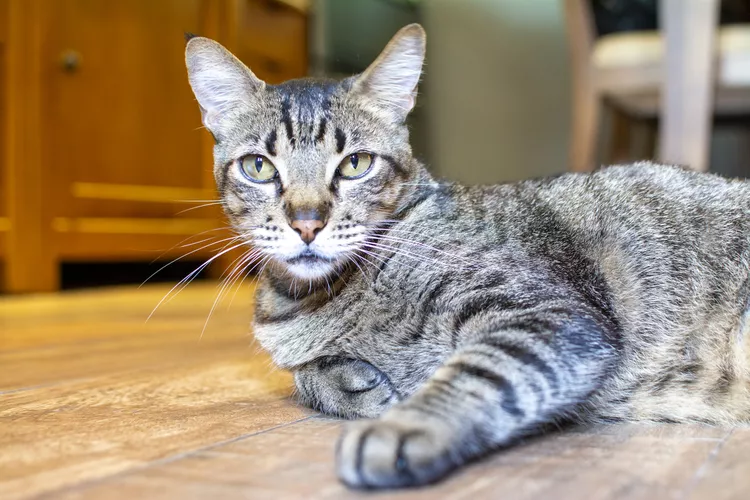
Descended from Brazilian street cats, today, the Brazilian Shorthair is admired for its beautiful, short and shiny coat, and loved for its friendly, playful, and intelligent personality.
A larger cat breed, the Brazilian Shorthair can weigh anywhere up to 20 pounds. They are muscular and agile while still maintaining their elegant, cat-like grace. These felines boast very expressive, wide-set eyes and almost any coat color under the sun. Full of energy and a love for exploration, these cats are characterized by their playful antics and make fun, friendly pets.
Other Names: Pelo Curto Brasileiro
Personality: Confident, inquisitive, playful, friendly, energetic
Weight: Up to 22 pounds
Length: 12 to 16 inches
Coat Length: Short hair
Coat Color: Any natural feline color, including black, white, gray, red, brown, and cream
Coat Patterns: Any natural feline pattern, including solid, bi-color, tabby, tuxedo, calico, and tortoiseshell
Eye Color: Any natural feline eye color, including green, gold, amber, blue, and brown
Life Expectancy: 15 to 20 years
Hypoallergenic: No
Origin: Brazil
The Brazilian Shorthair is a friendly and outgoing cat that loves to spend time interacting not only with its human family members, but also with other household cats and dogs. This is a fine breed for a family, as it requires a lot of attention, play time, and affection, which many children are more than happy to supply. But although it can seem that the breed has endless energy, once playtime is over it is happy to cuddle up with a favorite human for some quality time and petting.
If you bring a Brazilian Shorthair into your home, be prepared with plenty of toys to keep it occupied, as well as one or more cat trees to provide opportunities for climbing, exploring, and exercising. These are active cats that like to keep busy.
The Brazilian Shorthair originated from the common street cats of Brazil. It is thought that these felines first entered Brazil around the year 1500 CE aboard the ships of Portuguese sailors. The breed’s development is credited to Paulo Samuel Ruschi, an engineer who became interested in the appearance and genetics of the street cats in Brazil. With help and input from other cat breeders, he began breeding Brazilian street cats in the hope of creating a set breed.
In 1998, the World Cat Federation approved the Brazilian Shorthair as a recognized purebred cat breed. However, the breed has not yet received recognition from TICA or CFA.
The Brazilian Shorthair is a friendly cat breed with an outgoing personality. The social street-cat mentality remains in these purebred felines, making meeting new people and exploring new places right up their alley. These cats thrive with plenty of attention, play, and snuggle time. Their social, playful, energetic nature also makes them perfect feline companions for children.
These cats love to run around and explore, so be sure to give them enough space for adventuring and expending energy. Playtime is a perfect way to both exercise and spend time with your Brazilian Shorthair. Cat trees, playgrounds, and scratching posts are well-loved by this breed and will ensure that your cat is happy, enriched, and entertained. However, when it is time to wind down, your Brazilian Shorthair will be just as happy snuggling on the couch with you.
As suggested by its name, the Brazilian Shorthair has a very short coat that does not shed much or produce much dander, although the breed is not truly hypoallergenic. This makes grooming very simple. Brushing once a week should be plenty to keep your Brazilian shorthair's coat clean and in good condition. Remember to regularly brush its teeth and check its nails and ears as well.
Brazilian Shorthairs have retained the street-smarts from their ancestors, making them sharp, intelligent felines. They learn new things quickly and love to be challenged. This makes them an excellent breed to teach tricks.
The Brazilian Shorthair is a relatively robust and active breed with no common, breed-specific health problems known. However, cat owners should be on the lookout for common issues that may arise in any breed, such as obesity and ear infections. And of course, any cat might develop a health problem or disease during its lifetime, so be sure to take your Brazilian Shorthair for regular checkups with the veterinarian. This makes it likelier that you'll detect potential health problems before they become serious.
The Brazilian Shorthair is a large cat; males can weigh more than 20 pounds. These cats are longer than they are tall, and while they are muscular, they aren't too stocky in build. They have large, pointed ears set well apart and equally large eyes. Their fur is short and sleek, with very little undercoat. This means that they don't shed much.
When it comes to color, just about anything goes. Your Brazilian Shorthair can be any color that naturally occurs in felines, including black, white, gray, brown, red, or cream. And any coat pattern is acceptable, including solid, tabby, calico, tortoiseshell, tuxedo, or bi-color. The one coat pattern that isn't allowed in a purebred Brazilian Shorthair is "points," which are the darker face, legs, and tail typical of the Siamese cat.
Brazilian Shorthairs can have any eye color, including blue, brown, amber, orange, green, or yellow.
Feeding your Brazilian Shorthair high-quality cat food will help ensure that it lives a long and healthy life. Every cat will have its own likes, dislikes, and dietary needs, but in general, cats require a diet that is high in protein, moderate in fats, and low in carbohydrates. Most adult cats do well with two meals per day, while kittens need three to four smaller meals. Your cat should always have access to clean water.
You can feed your cat all kibble, all canned food, or a mixture of both. They key is not to overfeed your feline, as obesity is a common concern among indoor cats. Consult your veterinarian for more information on your cat’s unique dietary needs.
Because the Brazilian Shorthair is an uncommon breed outside of its native country, it may be a bit tricky to find a rescue or breeder in the United States. However, always be sure to check your local shelters and rescue groups since a wide variety of circumstances can result in this rare breed being surrendered. The links below will help you find shelters, rescues, and breeders in your area.
The large and active Brazilian Shorthair is a great breed for families, as this playful cat loves opportunities for play and interaction with humans young and old, as well as other household pets. Curious and intelligent, this is a breed that likes to have ample chances to explore, climb, perch, and observe, but it is also affectionate and outgoing.
It's short, easy-care coat makes this a fairly low-maintenance cat, which adds to its suitability for life in a busy family. But your Brazilian Shorthair won't be happy if it's left alone all day long, so be sure that your lifestyle allows for plenty of time spent with your feline.
Little shedding
Loving and affectionate
Does well with children and other pets
Inquisitive nature means they like to get into things
Requires lots of mental and physical stimulation
Rare breed that's difficult to find
Every cat breed has its own typical personality traits. Careful research will help ensure that you find the perfect breed to suit your home and lifestyle.
If you’re interested in other cat breeds similar to the Brazilian Shorthair, check out:
Otherwise, check out all of our other cat breed profiles.
As a rare breed, you'll pay quite a bit for a Brazilian Shorthair, if you can find one. As a rough guideline, a show-quality cat can cost over $1,000, but breeders sometimes sell "pet quality" cats for much less.
Although these cats shed very little, they are not truly hypoallergenic. Still, for those with very mild cat allergies, this breed might be a good fit.
Every cat is an individual, and some enjoy being held more than others. But as a general rule, Brazilian Shorthairs are friendly, outgoing, and affectionate cats who enjoy interacting, cuddling, and playing with their favorite humans, so there is a good chance that your cat will also enjoy being held.
What to Do if Your Cat Is Snoring
Cat snoring can happen for several reasons. Find out if your cat's snoring is normal or caused by a medical issue. Know when to call the vet about your cat snoring.
Turkish Angora: Cat Breed Profile, Characteristics & Care
The elegant and silky Turkish Angora cat is a playful, affectionate, and sometimes mischievous pet. Learn about the Turkish Angora breed.
Toyger: Cat Breed Profile, Characteristics & Care
The toyger (toy tiger) cat is a beautiful, rare breed with an easygoing demeanor. These cats are hard to come by but make excellent pets.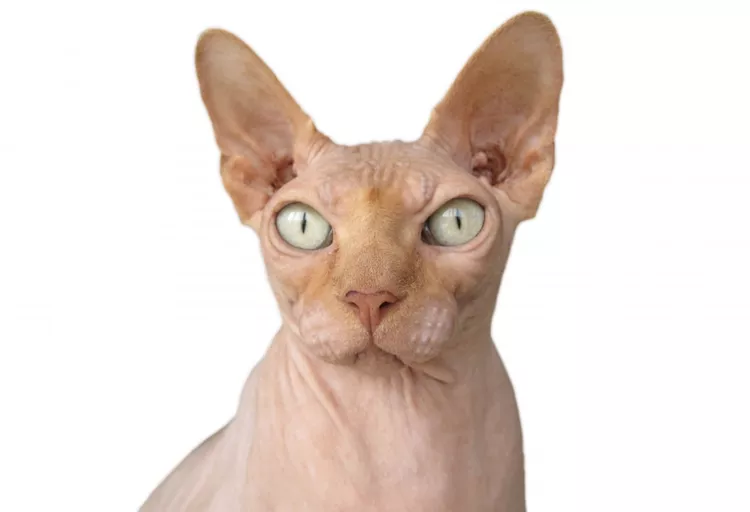
Donskoy: Cat Breed Profile, Characteristics & Care
Donsky cat, or Don Sphynx, is a hairless cat that's known for being affectionate, social, and remarkably intelligent. Learn more about the Donsky cat breed.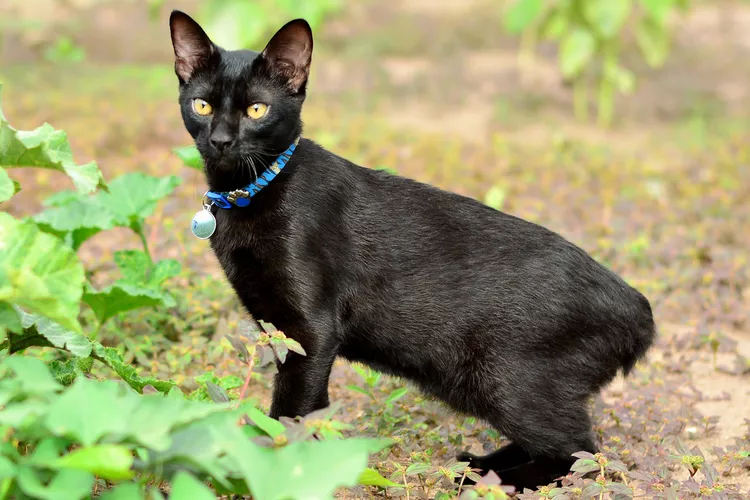
Japanese Bobtail: Cat Breed Profile, Characteristics & Care
The Japanese bobtail is recognized for its bunny-like tail and is loved for its friendly, playful personality. Learn about the Japanese bobtail breed.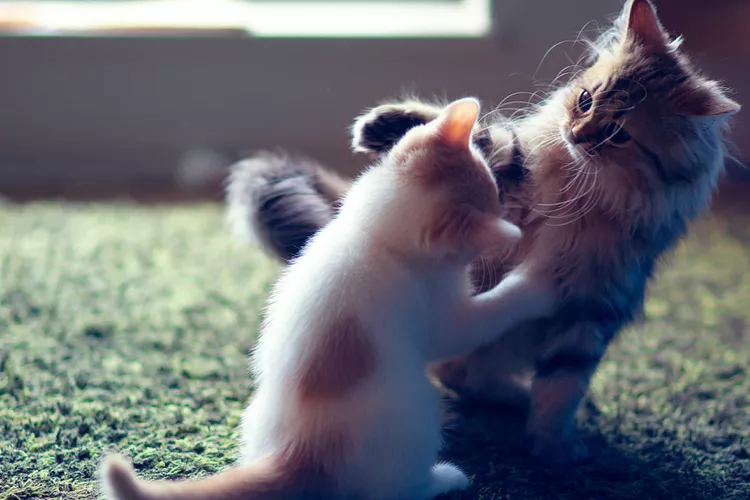
How to Stop Cat Aggression After a Vet Visit
Cats are usually out of sorts and ornery after a trip to the veterinarian. Learn how to stop cat aggression by planning ahead with these tips.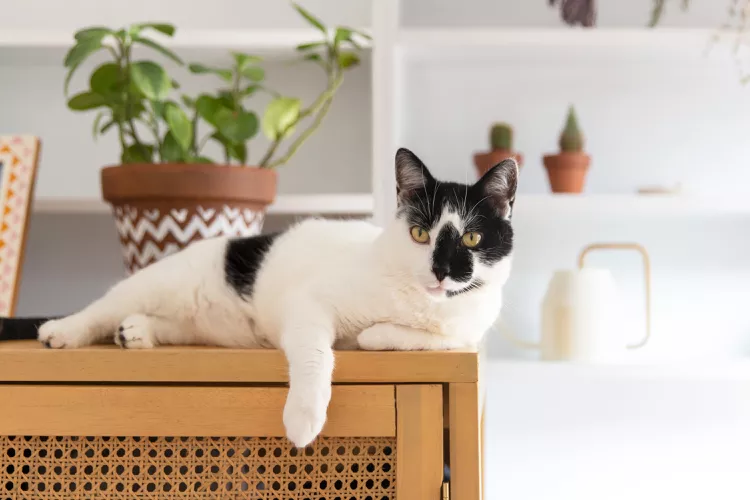
Why Do Cats Like High Places?
Does your cat like to hang out on top of tall furniture? Here's why cats like high places.
Rectal Prolapse in Dogs
Rectal prolapse in a dog can be an alarming thing to see. Find out why this happens, how to prevent it, and how to heal dog prolapse at home.
Is Acetaminophen Safe for Dogs?
Acetaminophen is used by humans for pain and fever relief, but is it safe for dogs? Here's what you need to know before giving your dog acetaminophen.
Dog Broken Toe: Signs and Treatment
Dogs can break their toes for several reasons. Find out how to tell if your dog has a broken toe. Learn what you need to do and what restrictions your dog may have to let a broken toe heal.
Tetanus in Dogs
Tetanus is an infection caused by bacteria found in soil. It can cause severe symptoms in dogs and even lead to death if not treated promptly.
Swedish Vallhund: Dog Breed Characteristics & Care
The Swedish vallhund makes for a high-energy and affectionate companion. Learn about the breed's history, health, exercise needs, and more.
Afghan Hound: Dog Breed Characteristics & Care
The Afghan hound is a majestic dog breed, known for its luxurious long coat and sweet personality. Learn about cost, care, and training needs.
Irish Setter (Red Setter): Dog Breed Characteristics & Care
The Irish setter, also known as the red setter, stands out from the crowd with their striking red coat and athletic nature. Learn about this gentle and affectionate dog breed.
Clumber Spaniel: Dog Breed Characteristics & Care
The Clumber spaniel is a friendly, calm dog and a great family pet who gets along with kids. Just beware of this rare breed's shedding and drool.
Reasons Why Dogs Grind Their Teeth
Some dogs grind their teeth. Learn why dogs grind their teeth and if it can be harmful. Find out what to do about teeth grinding in dogs.
Therapy Dog Certification: A Complete Guide in 6 Steps
Could your dog be trained to serve as a therapy dog? Here's how you and your dog can become an official animal-assisted therapy team.
Here’s How to Stop Your Dog from Jumping on You When Excited
Although it can be cute the first few times your dog jumps on you, it can quickly turn into a bad habit, especially if your pooch starts jumping on strangers. Here’s how to stop your dog from jumping on you when excited.
Why Do Dogs Howl at Sirens?
Howling at sirens is something that dogs are well known for, but why do some dogs do it while others seem unbothered?
How to Train a Labrador Retriever
Proper training is an essential part of owning a Labrador retriever. These smart dogs can be trained to be service dogs, hunters, and excellent companions.